EV Charging Tips
These tips are based on industry best practices and expert recommendations to help you protect your EV battery, save money and charge with confidence.
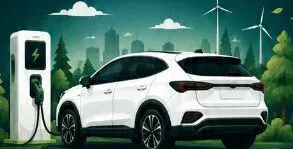
Charging practices can vary by EV model, battery type, charger, climate and local electrical standards. The information on this page is for general guidance only...
Explore Tips by Category
Best practices to maintain battery health and extend its life.
When and how to use fast charging for optimal performance.
Make home charging safe, efficient and cost-effective.
Understand connectors, adapters and compatibility before you charge.
Essential safety practices for you, your EV and your home.
How temperature affects charging and what you should know.
Smart ways to reduce charging costs and save money.
Plan long trips better and charge with confidence on the go.
Make the most of public charging stations.
Improve efficiency and get the best range from your EV.
Keep your charging port, cable and connector in good condition.
Use EV charging apps smartly and make seamless payments.
Keep your vehicle and charger software up to date.
Charge responsibly and support a cleaner, greener future.
Answers to the most common EV charging questions.
Charging Safety Essentials
Follow these essential safety practices every time you charge.
Do not use a charging cable, connector, plug or outlet that is visibly damaged.
Use charging equipment approved for your vehicle and follow manufacturer instructions.
Do not charge using a loose, damaged or improperly grounded electrical outlet.
Do not use extension cords or improvised adapters unless specifically permitted.
If you notice unusual heat, burning smell, or sparks, stop charging immediately.
Have electrical installation assessed and installed by a qualified professional.
Use charging equipment according to its weather rating. Never use wet equipment.
High-voltage battery systems should be serviced only by trained professionals.
Still have questions?
We're here to help you charge better and drive with confidence.
Contact Support
Pro Tips at a Glance
Use recommended charge range as per vehicle manual.
Fast charge only when needed. Slow charging is better for daily use.
Schedule charging during off-peak hours to save money.
Extreme heat or cold can affect charging speed and battery performance.
Plan your trips and check charger availability in advance.
Safety always first. Inspect, connect and charge with care.